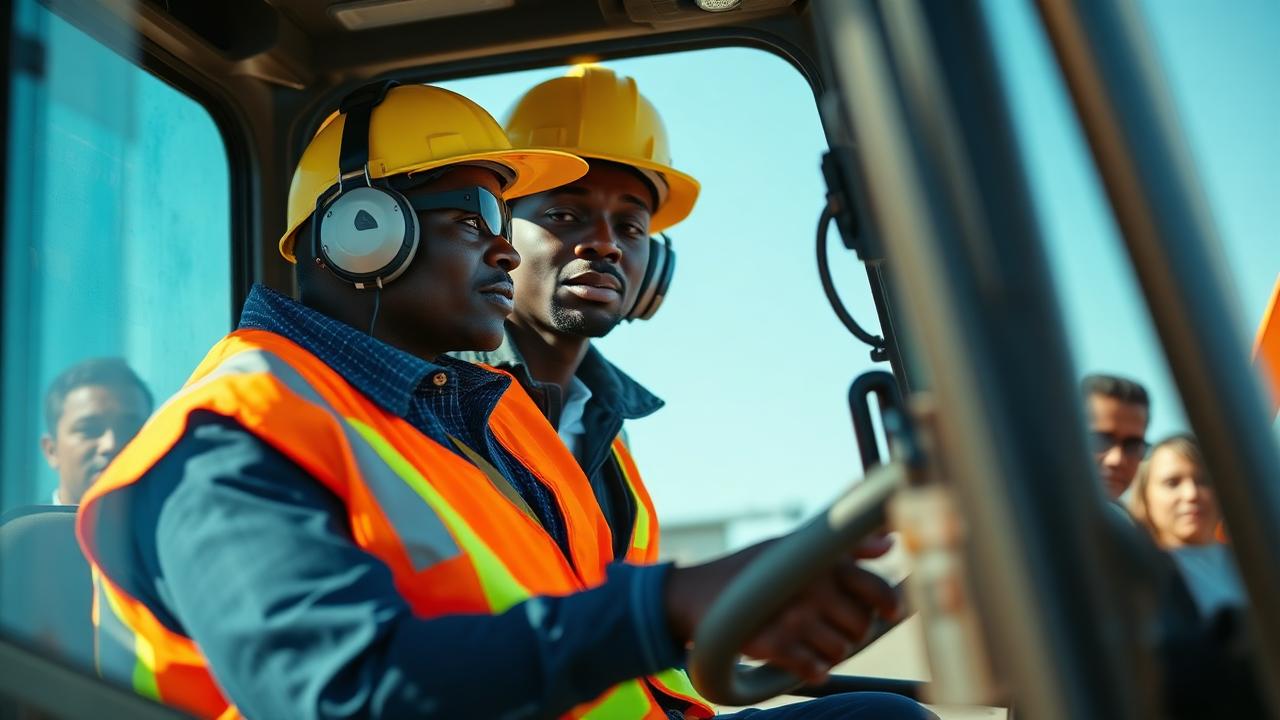
Embarking on plant operator training is an exciting step toward a rewarding career in heavy machinery operation. Whether you're interested in excavators, forklifts, or graders, understanding what to expect during your training will help you prepare mentally and physically for the journey ahead.
Week 1: Orientation and Safety Fundamentals
Your training begins with comprehensive safety instruction. You'll learn about personal protective equipment (PPE), site safety protocols, and emergency procedures. This foundation is critical—safety is paramount in heavy machinery operation.
During orientation, you'll familiarize yourself with the training facility, meet your instructors, and understand the curriculum structure. You'll also learn about NTSA regulations and certification requirements.
Understanding Machine Components
Before operating any equipment, you'll study machine anatomy. Each component serves a specific purpose, and understanding how systems work together is essential for safe and efficient operation.
Topics covered include:
- Hydraulic systems and their functions
- Engine basics and maintenance requirements
- Control mechanisms and their purposes
- Dashboard indicators and warning systems
- Attachment types and their applications
Hands-On Training Sessions
The core of plant operator training is practical experience. Under close supervision, you'll progress from basic controls to complex maneuvers. Each session builds upon previous skills, gradually increasing in difficulty and complexity.
Initial Practice
Your first hands-on sessions focus on familiarization. You'll practice starting and stopping the machine, understanding control responsiveness, and developing spatial awareness. These sessions take place in controlled environments designed for learning.
Skill Development
As confidence grows, you'll tackle increasingly challenging tasks. Excavator trainees progress from simple digging to precision work requiring centimeter-level accuracy. Forklift operators advance from basic lifting to complex stacking operations.
Daily Routine and Schedule
Training sessions typically run from 8:00 AM to 5:00 PM, combining classroom instruction with practical exercises. Morning sessions often focus on theory and demonstrations, while afternoons provide extensive machine operation time.
Assessment and Evaluation
Throughout your training, instructors continuously assess your progress. Both theoretical knowledge and practical skills are evaluated. Final certification requires demonstrating proficiency in all learned competencies.
Building Confidence
One of the most valuable outcomes of plant operator training is confidence. You'll progress from nervousness and uncertainty to assured, capable operation. This transformation occurs gradually as you master each skill level.
Certification and Beyond
Upon successful completion, you'll receive NTSA-recognized certification, qualifying you for employment across Kenya's construction, mining, and agricultural sectors. Your training prepares you not just for certification, but for real-world success.
Tips for Success
- Stay focused and attentive during all sessions, both theoretical and practical
- Ask questions when uncertain—instructors are there to help you succeed
- Practice patience—mastery takes time and repetition
- Prioritize safety in every action, developing habits that protect you and others
- Maintain physical fitness—operating heavy machinery requires stamina and alertness
Conclusion
Plant operator training at IPMTTI transforms beginners into confident, certified professionals. Through comprehensive instruction, hands-on practice, and expert guidance, you'll develop skills that open doors to rewarding career opportunities. Expect challenges, embrace learning, and prepare for a future in one of Kenya's most vital industries.
Share this article
Ready to Start Your Journey?
Discover how IPMTTI can help you achieve your career goals with industry-recognized training programs.
Explore Our Programs