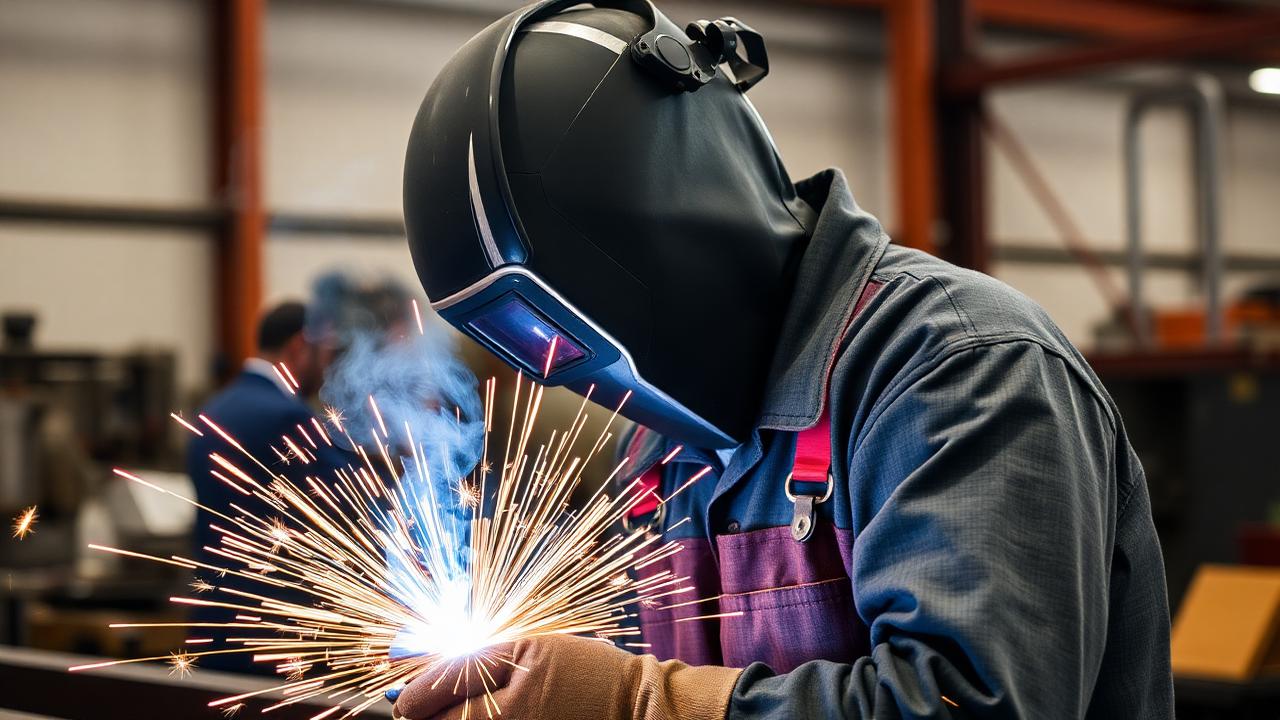
Welding skills open doors to diverse, rewarding career opportunities across multiple industries. As Kenya's infrastructure and manufacturing sectors continue expanding, skilled welders remain in high demand. Here are five exceptional career paths you can pursue after completing your welding training at IPMTTI.
1. Structural Welder
Structural welders work on the backbone of construction projects—building frameworks for commercial buildings, bridges, and industrial facilities. This career demands precision and understanding of structural integrity principles.
Key Responsibilities
- Joining steel beams and columns for building structures
- Reading and interpreting architectural blueprints
- Ensuring welds meet strength and safety specifications
- Working at various heights on construction sites
Career Outlook
Kenya's rapid urbanization and infrastructure development create consistent demand for structural welders. Major construction projects in Nairobi, Mombasa, and emerging cities offer excellent opportunities.
2. Pipeline Welder
Pipeline welders specialize in joining pipes for oil, gas, water, and sewage systems. This specialized field often involves travel to remote locations and offers competitive compensation.
Key Responsibilities
- Welding pipes for transmission systems
- Performing quality inspections and pressure tests
- Working in diverse environmental conditions
- Adhering to strict safety and environmental regulations
Career Outlook
Energy sector growth and water infrastructure projects drive demand for pipeline welders. International opportunities also exist with multinational energy companies operating in East Africa.
3. Manufacturing Welder
Manufacturing welders work in factories producing everything from vehicles to agricultural equipment. This career offers stable employment with consistent hours and often includes benefits packages.
Key Responsibilities
- Operating welding equipment in production environments
- Following standardized welding procedures
- Quality control and defect identification
- Meeting production targets efficiently
Career Outlook
Kenya's growing manufacturing sector, particularly in automotive assembly and agricultural equipment production, creates steady demand for skilled manufacturing welders.
4. Specialized Fabrication Welder
Specialized fabrication welders create custom metalwork for specific applications—artistic installations, custom furniture, specialized machinery, and unique architectural elements.
Key Responsibilities
- Creating custom metal products from specifications
- Working with diverse metals and alloys
- Combining welding with artistic design
- Collaborating directly with clients
Career Outlook
This field offers entrepreneurial opportunities. Many fabrication welders establish successful businesses serving construction, interior design, and art markets.
5. Underwater Welder
Underwater welding represents one of the most specialized and well-compensated welding careers. Combining welding expertise with commercial diving skills, underwater welders maintain marine structures, ships, and offshore installations.
Key Responsibilities
- Repairing ships, docks, and marine infrastructure
- Working in challenging underwater environments
- Performing inspections and emergency repairs
- Operating specialized underwater welding equipment
Career Outlook
Mombasa port expansion and maritime industry growth create opportunities for underwater welders. Additional commercial diving certification is required, but the investment yields exceptional career rewards.
Essential Skills for Welding Success
Regardless of which path you choose, certain skills enhance your career prospects:
- Technical proficiency in multiple welding techniques (MIG, TIG, stick welding)
- Blueprint reading and interpretation
- Quality control and inspection abilities
- Safety consciousness and protocol adherence
- Physical stamina and hand-eye coordination
- Problem-solving capabilities
Continuing Education and Advancement
Welding careers offer clear advancement paths. Experience and additional certifications lead to supervisory roles, quality control positions, welding inspection careers, and teaching opportunities. Many successful welders eventually establish their own fabrication businesses.
Conclusion
Welding training at IPMTTI prepares you for diverse, rewarding career opportunities. Whether you're drawn to construction, manufacturing, specialized fabrication, or adventurous fields like underwater welding, your skills will be in demand. The key is choosing a path aligned with your interests, strengths, and career goals. With dedication and continuous skill development, a welding certification becomes the foundation for lifelong career success.
Share this article
Ready to Start Your Journey?
Discover how IPMTTI can help you achieve your career goals with industry-recognized training programs.
Explore Our Programs